Sidebar Content Sidebar Button
Sidebar Address
Sidebar Email
Sidebar Phone

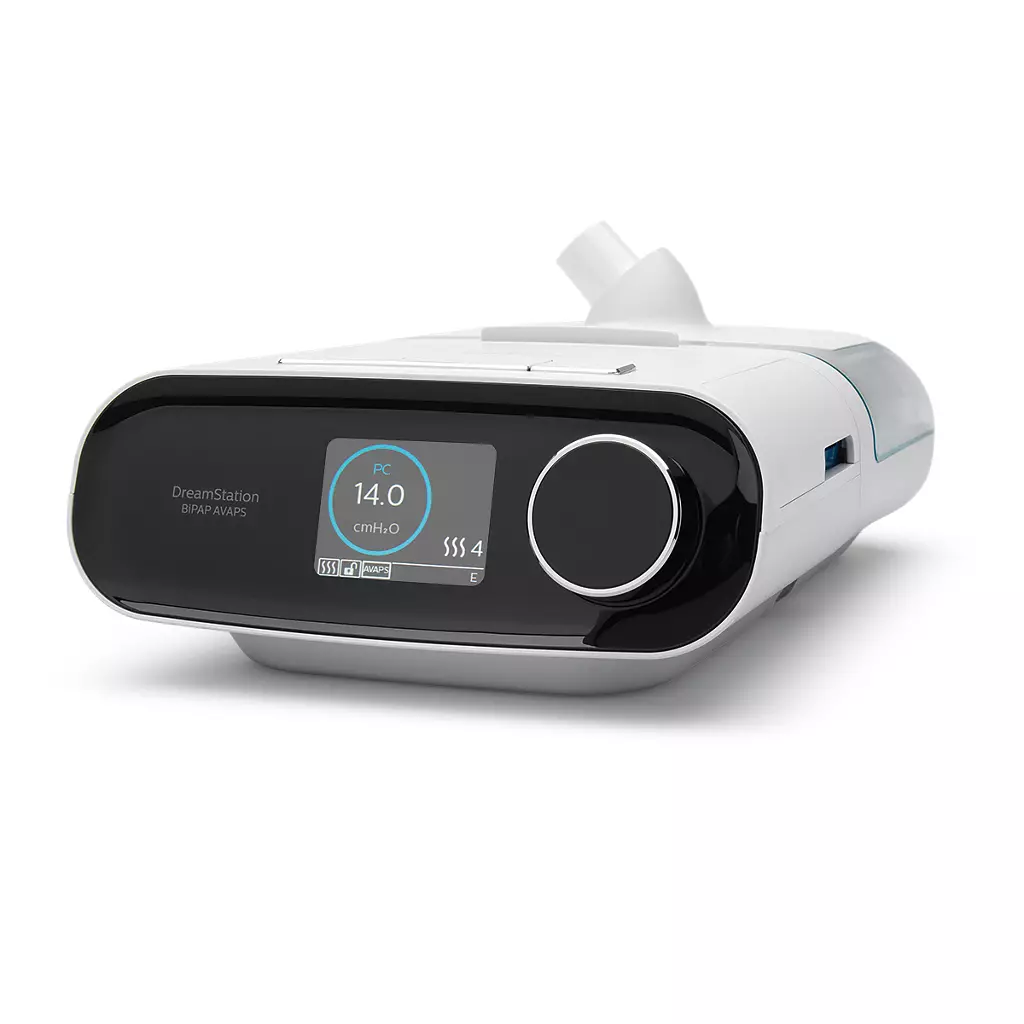
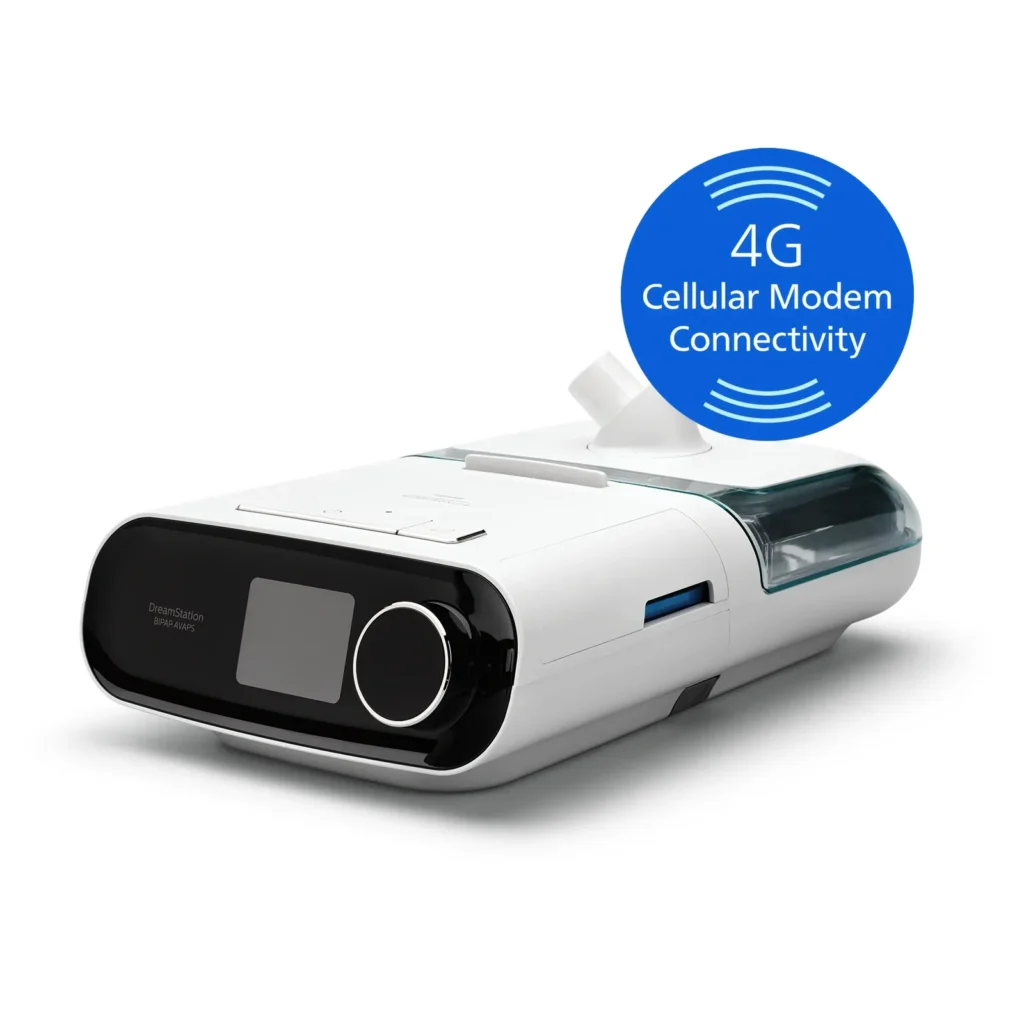
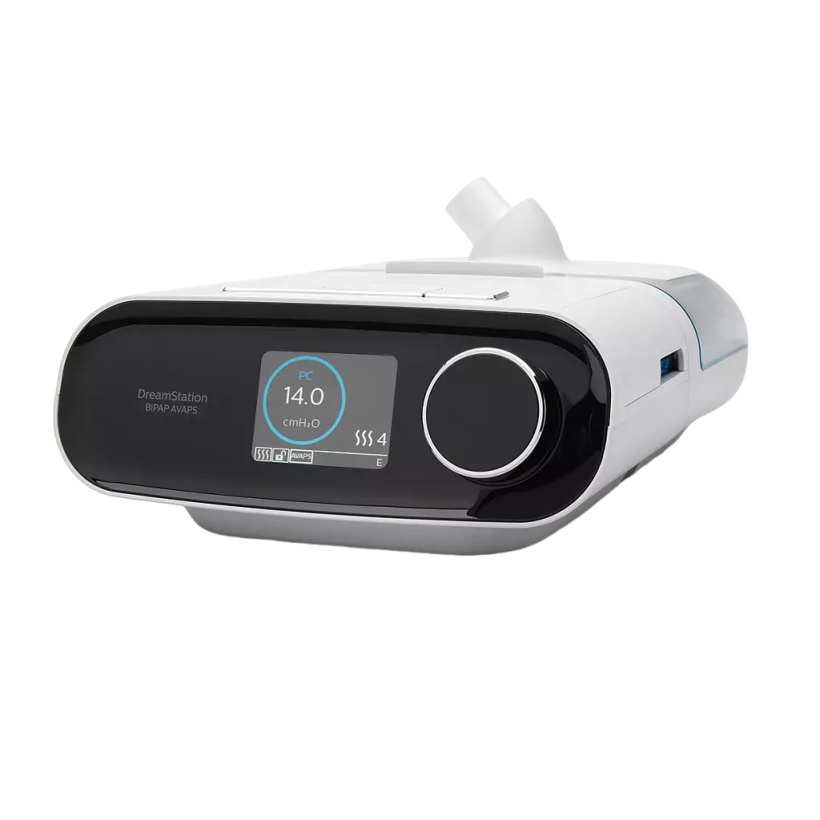
Philips Dreamstation Avaps

Philips DreamStation AVAPS – Complete Overview (CPAP.click)

The Philips DreamStation AVAPS is a non-invasive ventilator (NIV) designed for patients who need advanced respiratory support beyond standard CPAP or BiPAP therapy. It combines Philips Respironics’ DreamStation platform with AVAPS (Average Volume Assured Pressure Support) technology, which automatically adjusts pressure to maintain stable breathing volume throughout the night.

This device is commonly used in hospital and home-care environments and is available through suppliers such as cpap.click, which provides respiratory therapy devices and accessories.

What is AVAPS in DreamStation?

AVAPS (Average Volume Assured Pressure Support) is an intelligent ventilation mode that ensures the patient receives a consistent tidal volume (breath volume) even when breathing needs change.

In simple terms:

  • The machine monitors breathing continuously
  • It adjusts pressure support automatically
  • It maintains a stable breathing volume all night

This makes therapy more effective for patients with fluctuating respiratory conditions.

What is the Philips DreamStation AVAPS Used For?

The DreamStation AVAPS is designed for patients with chronic or complex respiratory disorders, including:

  • Chronic Obstructive Pulmonary Disease (COPD)
  • Neuromuscular diseases (ALS, muscular dystrophy)
  • Obesity hypoventilation syndrome (OHS)
  • Chronic respiratory failure
  • Hypoventilation disorders

It is not a basic sleep apnea device—it is closer to a home ventilator system.

Frequently Asked Questions (FAQ

1. What is the Philips DreamStation AVAPS used for?

The DreamStation AVAPS is a non-invasive ventilator used for patients with chronic respiratory failure and other complex breathing disorders. It helps maintain stable breathing by automatically adjusting pressure to deliver consistent ventilation support.

AVAPS (Average Volume-Assured Pressure Support) is a smart ventilation mode that:

  • Targets a set breathing volume
  • Automatically adjusts pressure support
  • Helps maintain stable ventilation even if breathing needs change

No. It is much more advanced than CPAP.

  • CPAP = fixed pressure for sleep apnea
  • AVAPS device = adaptive ventilator for serious respiratory conditions

It is typically prescribed for patients with:

  • COPD (chronic obstructive pulmonary disease)
  • Neuromuscular diseases (like ALS or muscular dystrophy)
  • Obesity hypoventilation syndrome
  • Chronic respiratory failure
  • Hypoventilation disorders

A doctor must prescribe it.

Yes. It is designed for hospital and home ventilation therapy, especially for long-term respiratory support under medical supervision.